



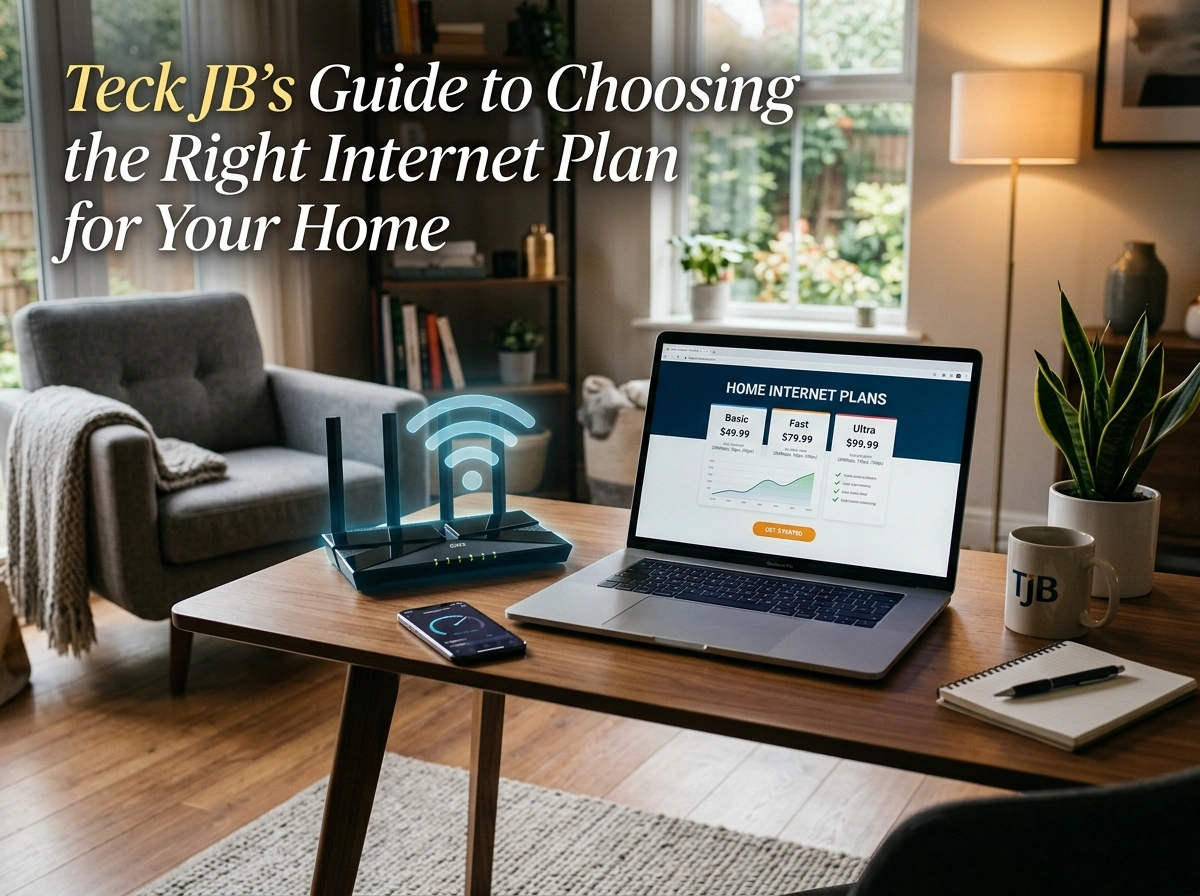
Picking a home internet plan in Malaysia can feel overwhelming. With so many providers, speeds, and packages on offer, it’s easy to either overpay for features you don’t need or end up with a connection that buffers every time the family logs on. Whether you’re streaming Astro on a lazy weekend, working from home in Kuala Lumpur, or keeping the kids connected for online classes, the right plan makes all the difference.
This guide walks you through the key factors to weigh before you sign up. By the end, you’ll know exactly what to look for and how to match a plan to your household’s real needs.
Start With Your Internet Speed Needs
Speed is usually the first thing people look at, and for good reason. Measured in Mbps (megabits per second), your speed determines how quickly you can download files, stream videos, and browse without lag.
Here’s a rough guide to help you decide:
- 30–100 Mbps: Suitable for small households with one or two people who browse, check email, and stream in standard definition.
- 100–300 Mbps: A solid middle ground for families streaming in HD, gaming online, and handling video calls at the same time.
- 300–800 Mbps and above: Ideal for larger homes with many devices, heavy 4K streaming, or anyone running a home business.
A good rule of thumb: if you regularly hear “the WiFi is slow!” from someone in the house, it’s time to bump up your speed. Many Malaysian providers now offer 100 Mbps as their entry-level fibre plan, which suits most urban homes comfortably.
Understand the Types of Connections
Not all internet connections are created equal. The type of connection you choose affects speed, reliability, and price.
Fibre Optic
Fibre is the gold standard for home internet in Malaysia today. It delivers fast, stable speeds and handles multiple users without slowing down. If your area is covered, fibre is almost always the best choice. Coverage is strong across Klang Valley, Penang, and Johor Bahru, though it continues to expand into smaller towns.
Fixed Wireless and 5G
For homes where fibre hasn’t arrived yet, fixed wireless or 5G home internet can be a great alternative. These rely on mobile networks and have improved dramatically in recent years. They’re worth considering if you live in a rural area or want a plan without long installation waits.
Satellite Broadband
In East Malaysia and remote parts of Sabah and Sarawak, satellite options help bridge the gap where cables don’t reach. Speeds are lower and prices higher, but for some communities it’s the most practical way to stay online.
If you’re unsure what’s available at your address, a quick coverage check with a local provider like teck jb can save you a lot of guesswork before committing.
Check the Data Limits
Some plans come with unlimited data, while others cap your monthly usage. For most households, unlimited is the safer choice, especially if you stream, game, or work online.
Watch out for these terms:
- Unlimited with fair usage policy (FUP): Your speed may slow down after you hit a certain threshold, even on “unlimited” plans. Read the fine print.
- Capped data: Cheaper upfront, but you risk extra charges or throttled speeds once you exceed your limit.
If your family loves Netflix, YouTube, and online gaming, a truly unlimited plan with no throttling is worth the small premium. It removes the stress of watching your usage like a hawk.
Weigh the Pricing and Value
Malaysians are value-conscious shoppers, and internet plans are no exception. But the cheapest plan isn’t always the best deal. Look at what you get for your ringgit, not just the monthly figure.
When comparing prices, factor in:
- Monthly fee: The headline number, usually ranging from RM89 to RM250 depending on speed.
- Installation cost: Some providers waive this; others charge a one-time setup fee.
- Equipment: Check whether the router and modem are included or rented separately.
- Promotions: Many providers offer discounted rates for the first few months. Make sure you know the price after the promo ends.
A plan that costs slightly more but includes free installation, a quality router, and reliable support often works out cheaper in the long run.
Count Your Users and Devices
Think about how many people and gadgets share your connection. A modern home easily juggles smartphones, laptops, smart TVs, gaming consoles, and even smart home devices.
As a quick estimate:
- 1–2 users, a few devices: 50–100 Mbps is plenty.
- 3–5 users, many devices: Aim for 100–300 Mbps.
- Large families or multiple heavy users: 500 Mbps or more keeps everyone happy.
The more devices connected at once, the more bandwidth you need. If several family members stream and game simultaneously, don’t skimp on speed. It’s the most common reason homes outgrow their plans.
Read the Contract Terms Carefully
Before you sign anything, understand the commitment you’re making. Contract terms can catch people off guard.
Pay attention to:
- Contract length: Many plans lock you in for 12 or 24 months. Longer contracts may offer lower rates but less flexibility.
- Early termination fees: If you move house or want to switch providers, you could face a penalty. Ask about the charges upfront.
- Renewal terms: Find out whether your promotional rate continues or jumps after the contract ends.
- Portability: If you relocate, can you transfer the service to your new address without extra cost?
A flexible contract gives you peace of mind, especially if your living situation might change.
Don’t Forget Customer Support
Even the fastest connection will eventually need troubleshooting. Reliable customer support, ideally with help available in Malay and English, makes a real difference when your internet goes down.
Look for providers known for quick response times and helpful local service. Reading reviews from other customers in your area gives you a realistic picture of what to expect after you’ve signed up.
Practical Tips Before You Decide
Here are a few final pointers to help you choose wisely:
- Test your current speed. Knowing your existing speed helps you decide whether to upgrade.
- Map out your household’s habits. Heavy streamers and gamers need more than casual browsers.
- Check coverage first. There’s no point comparing fibre plans if fibre hasn’t reached your street.
- Compare total cost, not just monthly fees. Installation, equipment, and renewal rates all add up.
- Ask about bundle deals. Some plans pair internet with TV or mobile for better overall value.
Making the Right Choice for Your Home
Choosing a home internet plan comes down to matching the service to your real needs and budget. Focus on the speed your household genuinely requires, pick a connection type available in your area, and read the contract terms closely so there are no surprises later.
With a clear understanding of speed, connection types, data limits, pricing, and user numbers, you’re well equipped to find a plan that keeps everyone connected without breaking the bank. Take your time, compare your options, and choose a provider that offers both value and dependable local support. A little research now means smooth, stress-free browsing for years to come.
