



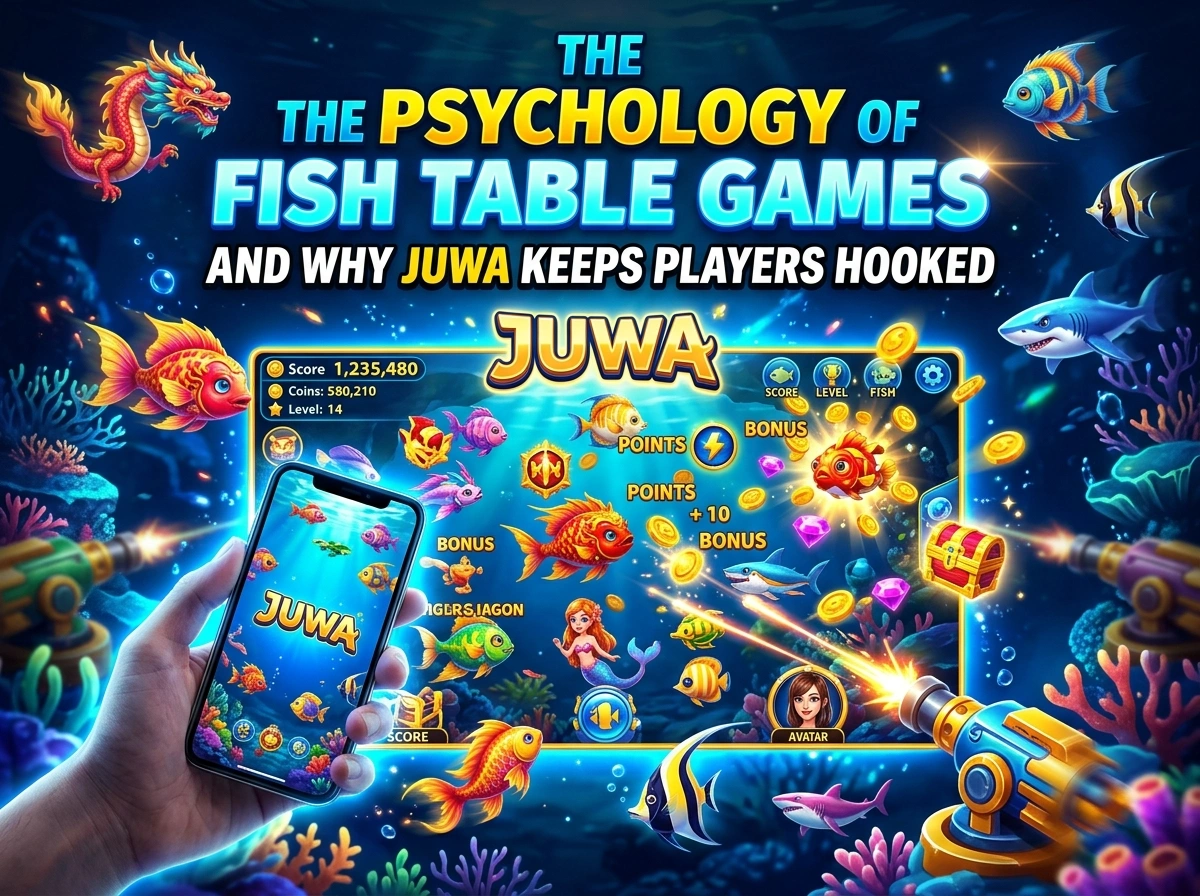
Fish table games have surged across the U.S. gaming scene, popping up in arcades, gaming cafes, and mobile platforms from California to the Carolinas. Their bright underwater worlds and fast-paced shooting action feel more like a video game than a traditional slot machine. But behind the colorful visuals lies a carefully engineered experience designed to hold your attention. In this article, you’ll learn the core psychological triggers that make these games so engaging, why platforms like Juwa stand out, and what to watch for as a player. Here’s the quick version: variable rewards, the illusion of skill, dopamine loops, and social competition all work together to keep players coming back.
Why Fish Table Games Took Off in the U.S.
Fish table games blend the skill-based feel of an arcade shooter with the excitement of casino-style play. Players aim and fire at moving sea creatures, earning points or rewards based on what they catch. That hybrid format hits a sweet spot for American audiences who grew up on video games and value interactivity.
Unlike a slot machine, where you simply press a button and wait, fish games make you feel involved. You aim, you time your shots, and you choose your targets. This sense of participation is a big reason they’ve spread quickly across diverse regions and age groups.
If you’ve ever wondered why these games feel “stickier” than a basic slot, the answer lies in psychology.
The Core Psychology Behind Fish Table Games
Several well-studied principles explain why these games are so compelling. Understanding them helps you recognize what’s happening when you play.
Variable Reward Schedules
The single most powerful hook is the variable reward schedule. You never know exactly when a big payout will land, so your brain stays alert in anticipation. This unpredictability is the same mechanism that makes scrolling social media hard to stop.
Psychologists call this “intermittent reinforcement,” and decades of research show it’s far more engaging than predictable rewards. When a rare, high-value fish suddenly appears and you catch it, the surprise makes the reward feel even bigger.
The Illusion of Skill
Fish games give you control over aiming, timing, and target selection. This creates a strong sense that your skill determines the outcome. While strategy plays a role, randomness still drives much of what happens.
This “illusion of control” keeps players engaged because they believe practice will improve results. Common mistake: assuming better aim guarantees better returns. Recognizing the line between genuine skill and chance helps you play with clear expectations.
Visual and Sensory Stimulation
Bright colors, fluid animations, and satisfying sound effects flood your senses. Each successful shot triggers flashes, coin showers, and celebratory audio. These sensory rewards reinforce the action and make every catch feel meaningful.
This constant stimulation keeps your brain engaged and signals “something good is happening.” The richer the feedback, the harder it is to step away.
Dopamine-Driven Feedback Loops
Every near-miss, catch, and bonus releases small bursts of dopamine, the brain chemical tied to motivation and reward. Over time, these micro-rewards build a feedback loop that pulls you back for “just one more round.”
The loop is simple but effective: action, reward, anticipation, repeat. If you find yourself losing track of time, that loop is doing exactly what it’s designed to do.
Social Competition
Many fish table games let multiple players share the same screen or compete in real time. This social layer taps into our natural drive to compete and outperform others. Watching another player land a big catch motivates you to try harder.
Competition adds urgency and emotional investment. It transforms a solo activity into a shared, high-energy experience that’s far more memorable.
Why Juwa Keeps Players Hooked
Juwa has become one of the more recognized names in the U.S. fish game space. Its design pulls together the psychological triggers above into a smooth, immersive package. Here’s a closer look at what sets it apart.
Engaging Gameplay Mechanics
Juwa’s core gameplay is easy to learn but hard to master. You select a weapon, adjust your aim, and fire at fish of varying sizes and values. Larger, rarer creatures offer bigger rewards but require more effort to defeat.
This tiered structure keeps you making constant decisions. Do you spend your shots chasing a high-value boss fish or rack up steady points on smaller targets? That ongoing choice keeps your mind active and invested throughout each session.
Immersive Graphics and Sound
Juwa leans heavily into rich, detailed visuals. Its underwater scenes feature vibrant marine life, dynamic lighting, and smooth animations that rival modern mobile games. The polished presentation makes the experience feel premium.
Paired with responsive sound effects, every shot and catch delivers immediate, satisfying feedback. This sensory package reinforces the dopamine loop and keeps players locked into the action.
Multiplayer and Social Features
One of Juwa’s strongest draws is its multiplayer format. Players share the same gaming space, competing for the biggest catches in real time. This shared environment fuels the social competition that makes the game so engaging.
Seeing other players in action creates a lively, dynamic atmosphere. It also builds a sense of community, which encourages players to return regularly and stay longer.
Reward Systems That Reinforce Play
Juwa uses layered reward systems, including special weapons, bonus rounds, and high-value target events. These features introduce variety and fresh surprises that prevent the experience from feeling repetitive.
The unpredictable timing of big rewards taps directly into the variable reinforcement principle. Look for this in your sessions: the moments right after a near-miss often feel the most tempting. That’s the design working as intended.
Playing Smart: What to Keep in Mind
Understanding the psychology behind these games gives you an edge in staying in control. The same features that make fish games fun can also make them easy to overplay.
Try this today: set a clear time limit and budget before you start. Treat the experience as entertainment rather than a way to earn money. Recognizing the dopamine loop in real time makes it easier to step away when you choose to.
It’s also worth noting that the legal status of real-money fish table games varies by state. Regulations differ widely across the U.S., so always check your local laws before playing for stakes. Responsible play keeps the experience enjoyable and stress-free.
Conclusion
Fish table games like Juwa succeed because they combine variable rewards, the illusion of skill, sensory stimulation, dopamine feedback loops, and social competition into one seamless experience. Juwa amplifies these elements with sharp graphics, real-time multiplayer, and layered reward systems that keep players engaged. The result is a format that feels active, social, and endlessly replayable. Knowing how these triggers work puts you in a stronger position to enjoy the games on your own terms. Set your limits, play responsibly, and treat every session as entertainment first.
Please visit official site for more info.
